Skip to content

E-Ko

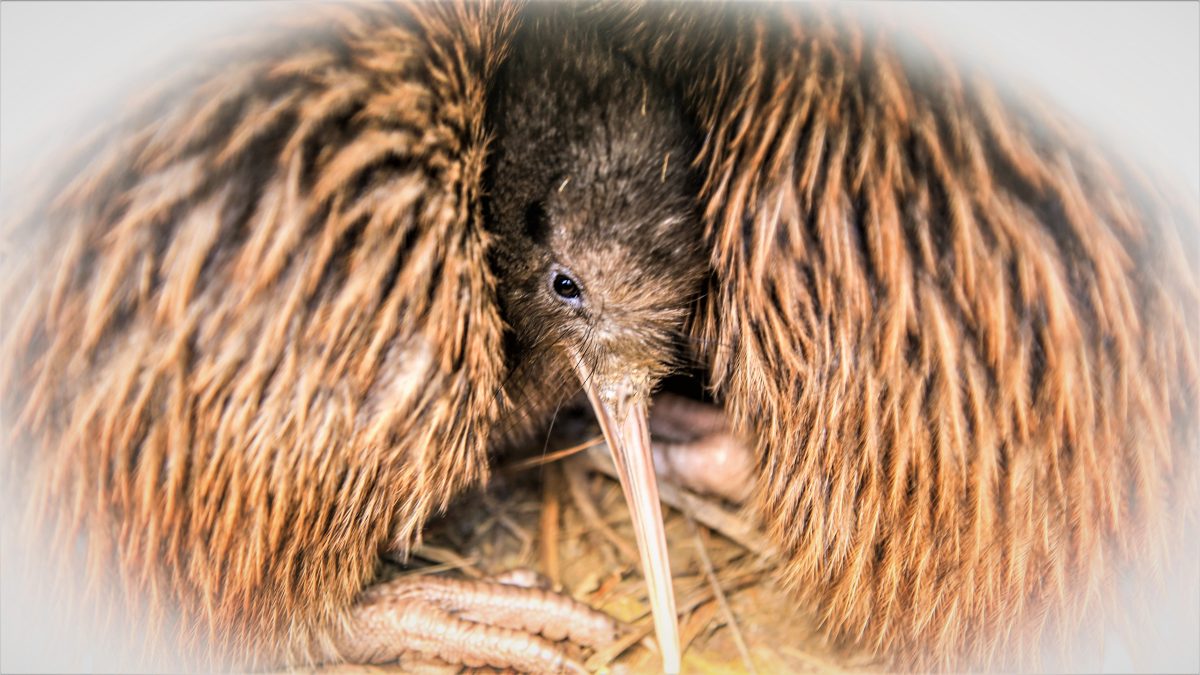
People holding and releasing a kiwi as part of conservation work

Sustainability is in our DNA

Measurable conservation action in Queen Charlotte Sound / Tōtaranui

E-Ko links wildlife tourism with visitor education, wildlife records, guide training and practical conservation support.

This page shows the measurable action behind our conservation commitment.

Measured impact

What E-Ko is actively doing

These measures show practical action across wildlife data, responsible operations, guest education, guide training and conservation contribution planning.

5,000+

Verified sightings entered

Marine mammal sightings entered into E-Ko’s Queen Charlotte Sound dataset, with more historical records still being reviewed.

80%

Reduced dolphin swim effort

E-Ko has voluntarily reduced dolphin swim activity over time to lower pressure on dolphins and prioritise responsible viewing.

2010–2026

Wildlife education growth

E-Ko has grown from around 5,000 passengers in 2010 to around 15,000 passengers per annum now receiving wildlife education.

230+

Guide training outcomes

Includes approximately 135 Level 2 Marine Guide outcomes, 60 Level 1 completions and 35 specialty course completions.

5%

Contribution pathway

E-Ko is building a 5% after EBITDA conservation contribution pathway for measurable conservation, education and restoration outcomes.

SEP

Sounds Enhancement Project

E-Ko links tourism with wider conservation action through the Sounds Enhancement Project and local partner pathways.

Why this matters

This page is designed to give customers, agencies, partners and future investors clear proof of measurable conservation action.

Contact CEO: ceo@e-ko.nz

Visitor education impact

Wildlife education at scale

Protection, regeneration and long-term sustainability start with education. Since 2010, E-Ko has used wildlife tourism to educate visitors about dolphins, seabirds, endangered species, island restoration and responsible wildlife viewing.

Education reach

From 5,000 to 15,000 passengers per year

E-Ko has grown from around 5,000 passengers receiving wildlife education in 2010 to around 15,000 passengers per annum today.

2010 Wildlife education built into guided tours
5,000 Approximate annual passengers in the early phase
2026 Education now delivered through tours, guides and online learning
15,000 Approximate passengers per annum now receiving wildlife education
160,000+ Estimated wildlife education touchpoints delivered over the last 16 years
Free Hector’s Dolphin course available through Marine Guide Training

How E-Ko delivers education

Guided interpretation

Guides explain species, behaviour, threats and conservation action on every tour.

Onboard information

Guests receive real learning during the trip, not just transport.

Species and image libraries

Visitors can continue learning after the trip through E-Ko’s wildlife resources.

Free Hector’s Dolphin course

Guests can access a free Hector’s Dolphin course through Marine Guide Training.

Global training capability

E-Ko is also a global professional training agency, not just a tour company.

New Zealand point of difference

No other tourism company in New Zealand has built this kind of education and training pathway.

Why this matters

Education is one of E-Ko’s strongest conservation outcomes. By combining guided tourism with professional training, E-Ko helps create better-informed visitors and stronger support for wildlife protection.

How the model works

How tourism becomes conservation action

E-Ko uses tourism revenue to support wildlife education, trained guides, responsible operations, wildlife records and conservation partnerships.

01

Visitors book wildlife tours

Tour revenue supports local jobs, vessels, guides and wildlife access.

02

Guests receive education

Guides, onboard information and wildlife resources turn tours into learning.

03

Wildlife records are built

Sightings and field observations add to long-term local knowledge.

04

Wildlife pressure is reduced

E-Ko has reduced dolphin swim effort and prioritises responsible viewing.

05

Conservation is funded

E-Ko is building a 5% after EBITDA contribution pathway.

Why this matters

Tourism should help protect the places visitors come to experience. E-Ko’s model is designed to educate visitors, support wildlife and fund better outcomes.

Tourism alignment

How E-Ko supports New Zealand’s tourism direction

E-Ko supports higher-value, lower-impact tourism by linking visitor spending to education, conservation action, local jobs and better wildlife outcomes.

01

Higher-value experiences

Guided wildlife tours create more value than simple sightseeing.

Trained guides, wildlife education and local interpretation.
02

Visitor education

Guests learn about dolphins, seabirds, islands and conservation threats.

Around 15,000 passengers per year receive wildlife education.
03

Evidence-based action

E-Ko records wildlife sightings and builds long-term local knowledge.

5,000+ verified marine mammal sightings entered.
04

Lower-impact wildlife tourism

E-Ko has reduced dolphin swim effort and prioritises responsible viewing.

80% reduction in dolphin swim effort over time.
05

Regional value for Picton

E-Ko helps turn Picton from a transit stop into a wildlife destination.

Tours, island visits, accommodation links and stay-longer pathways.
06

Guide training capability

E-Ko builds better marine guides through professional training.

230+ guide training outcomes delivered.

What this means

E-Ko links tourism to conservation education, local employment, wildlife records, responsible operations and stronger regional value.

Note: This describes alignment with New Zealand tourism priorities. It does not imply formal endorsement by any agency.

Wildlife data

Long-term marine mammal records

E-Ko records marine mammal sightings from time on the water in Queen Charlotte Sound / Tōtaranui. These records support education, operations and suitable research partnerships.

Orca in Queen Charlotte Sound

Verified records

5,000+ sightings entered

Further historical records are still being checked before publication.

Why this matters

Better records support better decisions

Long-term sightings help show which marine mammals are present, when they are seen, and how wildlife uses the Sounds over time.

What is recorded

Dolphins, whales, orca and other marine mammal sightings.

Why it matters

Local records help show wildlife presence and seasonal patterns.

How it is used

Data supports education, guide training and responsible operations.

Access pathway

Researchers, agencies and conservation partners can request access.

Data access and research enquiries

Suitable researchers, universities, agencies and conservation partners can request access directly.

Request access: ceo@e-ko.nz

Why E-Ko data has value

It is collected over many years by people who work daily in Queen Charlotte Sound.

Conservative public claim

E-Ko publicly claims 5,000+ verified sightings entered while more records are reviewed.

Species and places

The wildlife and habitats behind our conservation work

E-Ko’s conservation activity is focused on the species, islands and habitats visitors encounter in Queen Charlotte Sound / Tōtaranui. We use tours, education, guide training and wildlife records to help people understand why these places need protection.

Marine mammals

Orca, dolphins and whales

E-Ko records sightings and teaches visitors how to view marine mammals responsibly, with a strong focus on reducing pressure and improving public understanding.

Learn in the Wildlife Library
Seabirds

Little blue penguins and seabirds

Guests learn about seabird behaviour, nesting areas, feeding patterns and the importance of keeping wildlife disturbance low around shorelines and islands.

Learn in the Wildlife Library
Endangered species

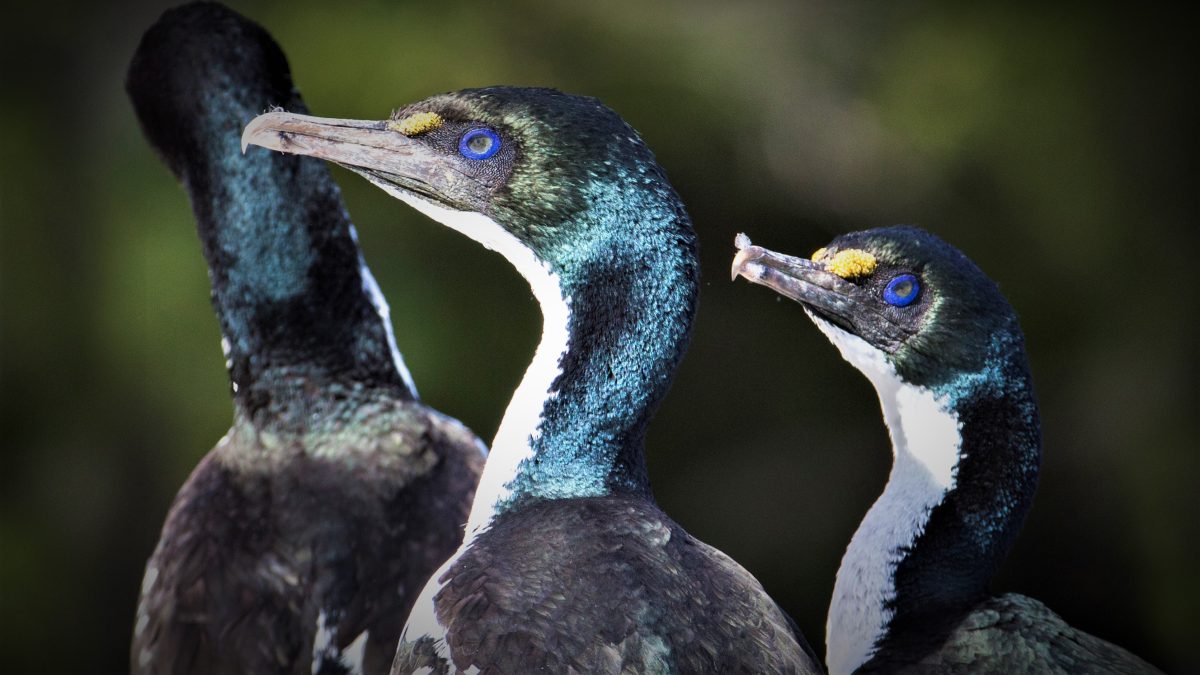
King shag awareness

Queen Charlotte Sound is important habitat for rare coastal birdlife. E-Ko helps visitors understand why specialist species need space, respect and long-term protection.

Learn in the Wildlife Library
Predator-free islands

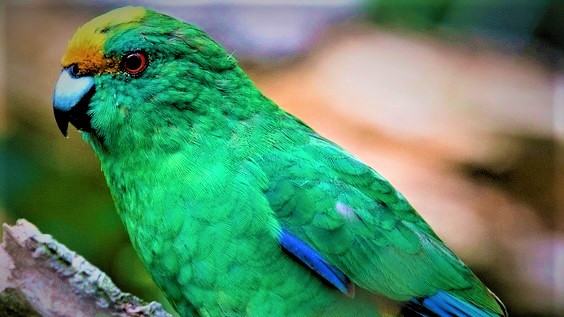
Orange-fronted kākāriki

Predator-free island visits create a direct opportunity to teach guests about rare native birds, biosecurity, pest control and why island habitats matter.

Learn in the Wildlife Library
Island habitats

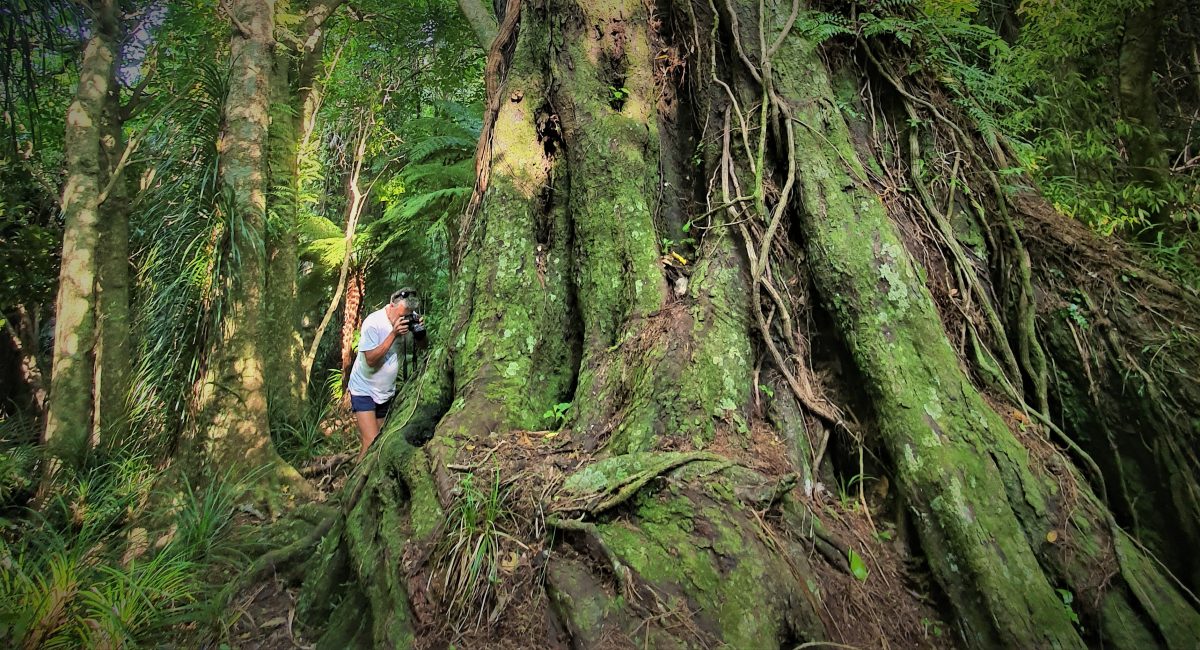
Motuara, Blumine and Ship Cove

E-Ko connects visitors to predator-free islands, native forest, historic sites and walking tracks while reinforcing care for wildlife, tracks, shorelines and cultural places.

Explore E-Ko Tours
Education pathway

Every tour can become a conservation lesson

The aim is simple: visitors leave with better knowledge of the species they saw, the threats those species face, and the practical behaviours that help protect them.

Projects and partner support

Where E-Ko’s conservation effort is directed

E-Ko’s conservation role is practical: we educate visitors, support local conservation work, record wildlife observations, train guides and use tourism revenue to build long-term capability around Queen Charlotte Sound / Tōtaranui.

01

Marine mammal monitoring

E-Ko records sightings and field observations from time on the water, helping build long-term knowledge of dolphins, orca, whales and other marine mammals in the Sounds.

02

Predator-free island education

Guests visiting Motuara, Blumine / Ōruawairua and other island locations are taught why pest-free habitats, biosecurity and careful visitor behaviour matter.

03

Endangered species awareness

E-Ko uses tours, guides, onboard resources and online wildlife information to raise awareness of rare and vulnerable species found in and around Queen Charlotte Sound.

04

Marine guide training

Guide training improves the standard of wildlife interpretation and creates a clearer pathway for professional, responsible and conservation-led marine tourism.

05

Visitor learning resources

E-Ko supports guest education through onboard information, trained guides, wildlife images, species pages and learning pathways connected to marine conservation.

06

Future conservation finance

E-Ko is building a conservation contribution model where business performance can help fund measurable education, restoration and conservation outcomes.

For customers Your booking supports education, local jobs and conservation capability.
For agencies The model links tourism to measurable stewardship and regional value.
For investors The business is building a conservation model that can be reported and scaled.

Visitor education

Turning every wildlife tour into a conservation learning experience

E-Ko does not rely on visitors simply seeing wildlife. We build education into the full visitor journey: before the tour, on board the vessel, during guided interpretation, and after the trip through online learning resources.

Before the tour

Species awareness before visitors arrive

Visitors can learn about local marine mammals, seabirds, predator-free islands and endangered species through E-Ko’s wildlife and species resources before they step on board.

Explore Wildlife Library
On board

Guided interpretation in real conditions

Trained guides and skippers explain what guests are seeing, how wildlife behaves, why distance matters, and how visitors can reduce disturbance around marine mammals and seabirds.

View Wildlife Tours
On shore

Predator-free island education

Island visits create a practical opportunity to explain biosecurity, pest control, native bird recovery, track care, cultural sites and why predator-free habitats are critical for threatened species.

Explore Island Experiences
After the tour

Learning continues after the trip

Guests can continue learning through image resources, species pages and online education pathways connected to marine wildlife, responsible tourism and conservation.

Continue Learning

What E-Ko education covers

Marine mammals

Dolphins, orca, whales, behaviour, viewing distance and disturbance reduction.

Seabirds

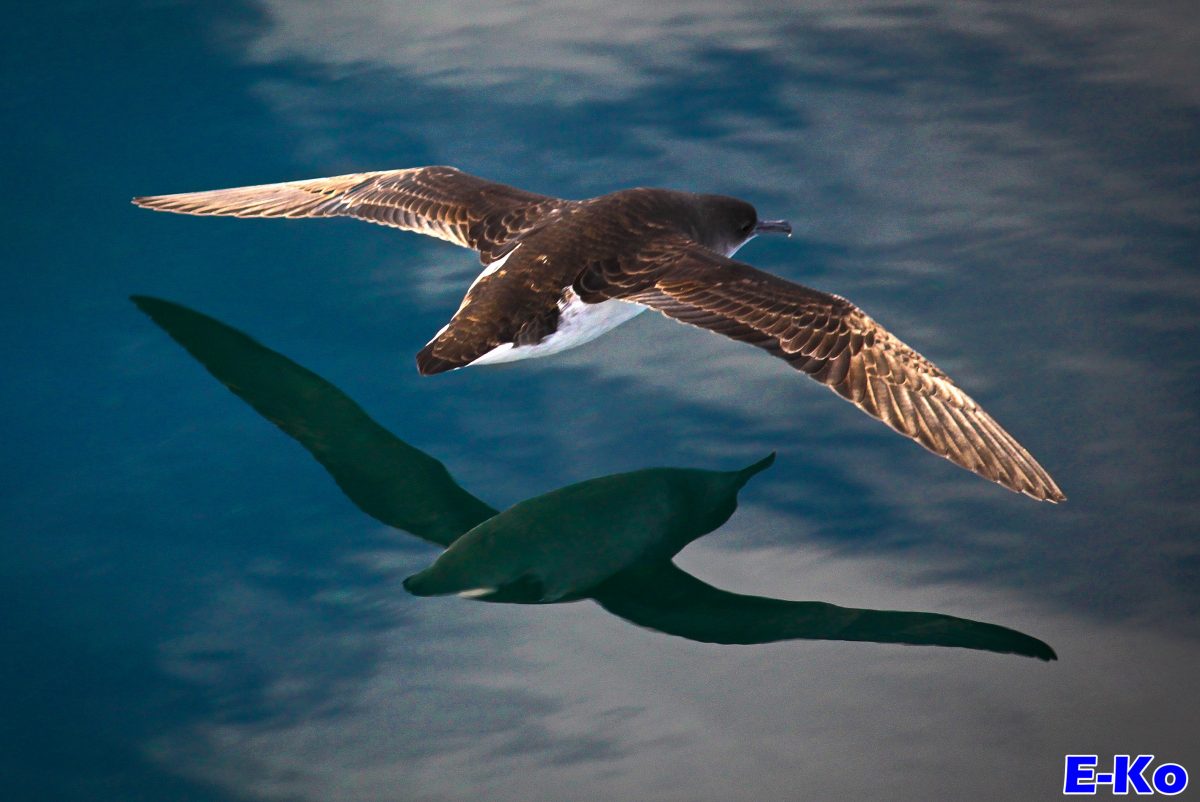
King shag, penguins, shags, shearwaters, gannets and coastal bird habitats.

Predator-free islands

Motuara, Blumine / Ōruawairua, biosecurity, native birds and island restoration.

Responsible tourism

Why lower-impact wildlife viewing, smaller groups and better guiding matter.

Species threats

Habitat pressure, pests, disturbance, vessel behaviour and climate-related risk.

Conservation action

How visitor choices, education and business reinvestment support protection work.

Responsible wildlife operations

Reducing pressure on endangered dolphins while improving visitor education

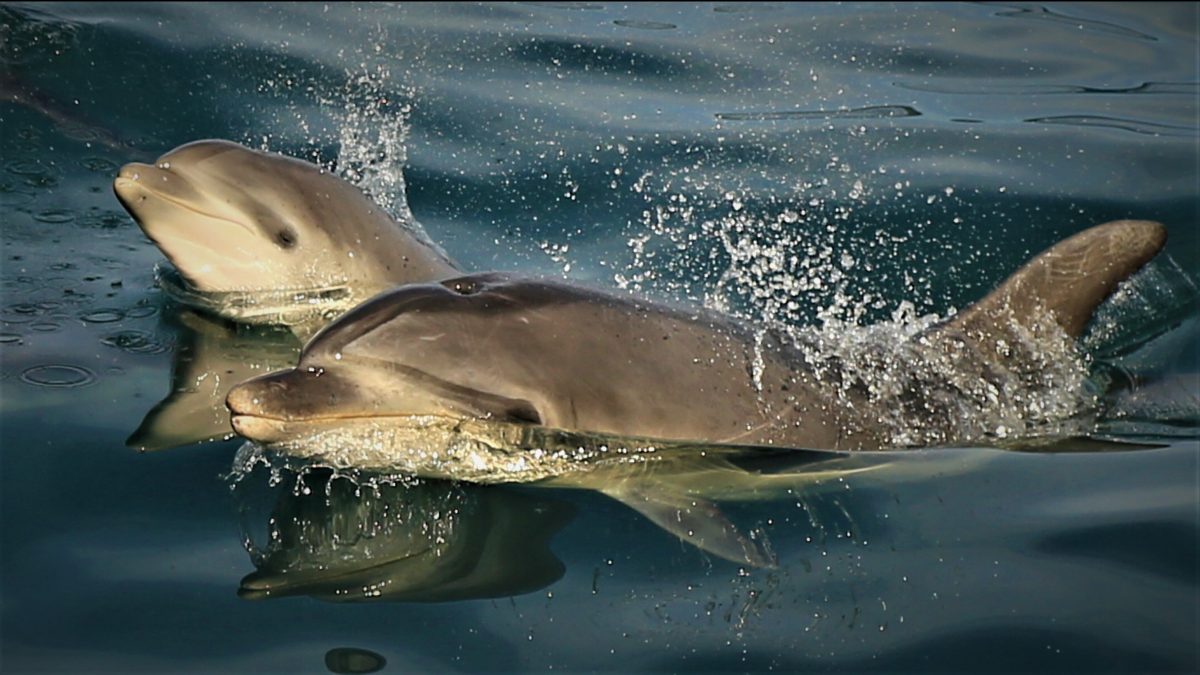
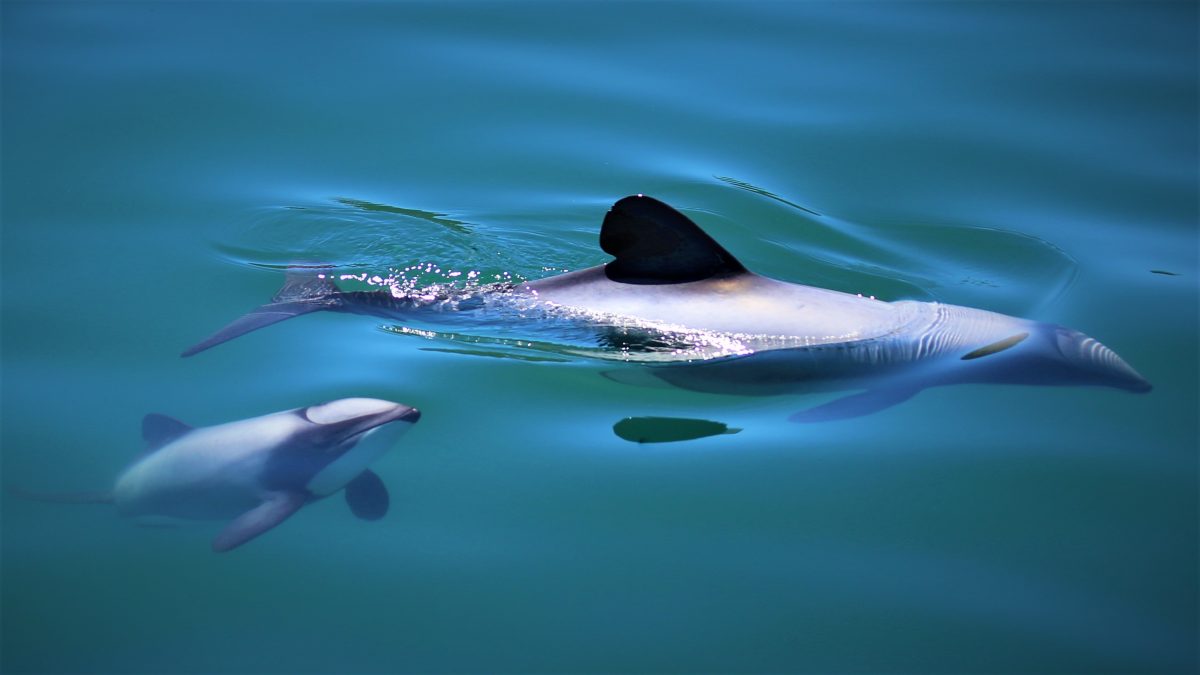
E-Ko’s conservation model includes real operational change. We have reduced dolphin swim effort, increased education-led wildlife viewing, and trained guides to interpret wildlife in a way that supports protection rather than pressure.

Endangered dolphin in Queen Charlotte Sound

Operational change

80% Reduction in dolphin swim effort over time

Why this matters

Responsible viewing comes before volume

Dolphin swimming can create pressure when close contact becomes the main commercial outcome. E-Ko has deliberately shifted toward lower-pressure wildlife viewing, stronger interpretation and a conservation-led guest experience.

Less swim pressure

Reduced dolphin swim effort places more emphasis on observing natural wildlife behaviour.

Better guest understanding

Guides explain distance, patience, vessel behaviour and why disturbance reduction matters.

More education value

The experience becomes about wildlife knowledge, endangered species awareness and responsible viewing.

Stronger agency alignment

Operational choices support lower-impact wildlife tourism and conservation-led visitor outcomes.

01

Observe natural behaviour

Guides focus on helping visitors understand what wildlife is doing, rather than forcing an encounter.

02

Keep education central

Guests learn about marine mammals, seabirds, habitats, threats and responsible viewing behaviour.

03

Use trained guides

Guide training improves interpretation, guest management and wildlife decision-making on the water.

04

Prioritise small-group quality

Smaller guided groups support better communication, better viewing and lower-pressure wildlife tourism.

What responsible wildlife tourism should deliver

A stronger visitor experience, better wildlife understanding, reduced pressure on endangered dolphins, improved guiding standards and measurable conservation value for Queen Charlotte Sound / Tōtaranui.

View E-Ko Wildlife Tours

Guide training and capability

Building better wildlife guides, not just better tours

E-Ko’s conservation work extends beyond visitor experiences. Through Marine Guide Training, we help improve wildlife interpretation, responsible viewing, visitor education and conservation-led marine tourism.

Certified Marine Guide training with E-Ko and Marine Guide Training

Training creates conservation capability

Professional guides turn wildlife encounters into education.

Training outcomes

230+ guide training outcomes

A trained guide changes the quality of a wildlife experience. They can explain animal behaviour, manage visitor expectations, reduce pressure on wildlife, improve safety and connect a tour to conservation outcomes.

135 Level 2 Certified Marine Guide outcomes
60 Level 1 course completions
35 Specialty course completions
230+ Total guide training outcomes
01

Better interpretation

Guests understand what they are seeing, why the wildlife matters and how their behaviour affects animals.

02

Better decision-making

Guides are trained to make better choices around wildlife, changing conditions and visitor expectations.

03

Better visitor behaviour

Clear guidance helps visitors respect marine mammals, seabirds, island habitats and conservation rules.

04

Better industry standards

Training helps raise the professionalism of wildlife guiding and responsible marine tourism.

Training pathway

Scalable conservation value

Every better-trained guide can influence thousands of future visitor interactions. This makes guide training one of the most practical ways to improve tourism outcomes for wildlife.

Visit Marine Guide Training
Conservation finance pathway

Building a measurable conservation contribution model

E-Ko is developing a pathway that links tourism performance to conservation, education and restoration outcomes in Queen Charlotte Sound / Tōtaranui.

Current model under development

5% after EBITDA contribution pathway

E-Ko is building a model where part of business performance after EBITDA can support selected conservation projects.

01

Visitor revenue

Guests book wildlife tours, island visits and stay-longer experiences.

02

Business performance

Revenue supports jobs, vessels, guides and responsible operations.

03

Contribution pathway

After EBITDA, funds can be directed to selected conservation projects.

04

Reported outcomes

Projects can be tracked through records, updates and reporting.

Future investment pathway

Prepared carefully before launch

E-Ko is preparing a future pathway for people, agencies, businesses and partners who want to support measurable conservation outcomes.

Trust requirements

  • Clear project selection
  • Defined conservation outcomes
  • Transparent reporting
  • Responsible financial controls
  • Partner and agency review

Potential project areas

  • Marine mammal monitoring
  • Predator-free island education
  • Endangered species education
  • Marine guide training
  • Habitat restoration concepts
  • Local conservation partnerships
Discuss partnership: ceo@e-ko.nz

Why this is credible

The model is based on measurable actions: verified sightings, visitor education, guide training, reduced dolphin swim effort and defined project areas.

What is still being formalised

E-Ko is finalising reporting, project selection and partner frameworks before public launch.

Picton gateway strategy

From ferry crossing to conservation tourism

E-Ko and PictonFerry.com work together to move travellers from a simple crossing into a higher-value Picton and Marlborough Sounds experience.

Why this matters

Picton should be more than a transit stop

Ferry travellers can stay longer, spend locally, visit wildlife sites, learn about conservation and support regional value.

01

Book the ferry

Make Cook Strait travel easier with local support.

02

Stay longer

Encourage travellers to add nights in Picton.

03

Experience the Sounds

Connect visitors with wildlife, islands and heritage.

04

Support stewardship

Use education to improve visitor behaviour.

MBIE tourism alignment

Regional value, better visitor flow and stronger stewardship

This approach supports New Zealand’s tourism direction by focusing on value, local benefit, visitor education and better management of natural places.

Regional value

More nights in Picton support accommodation, food, guiding, retail and transport.

Better seasonality

Stay-longer offers help build demand outside peak summer pressure.

Visitor management

Travellers can be guided to the right experience before they arrive.

Conservation connection

Wildlife tourism helps visitors understand why the Sounds need protection.

The practical outcome

Ferry travel becomes the start of a managed visitor pathway: stay longer, spend locally, learn more and support conservation.